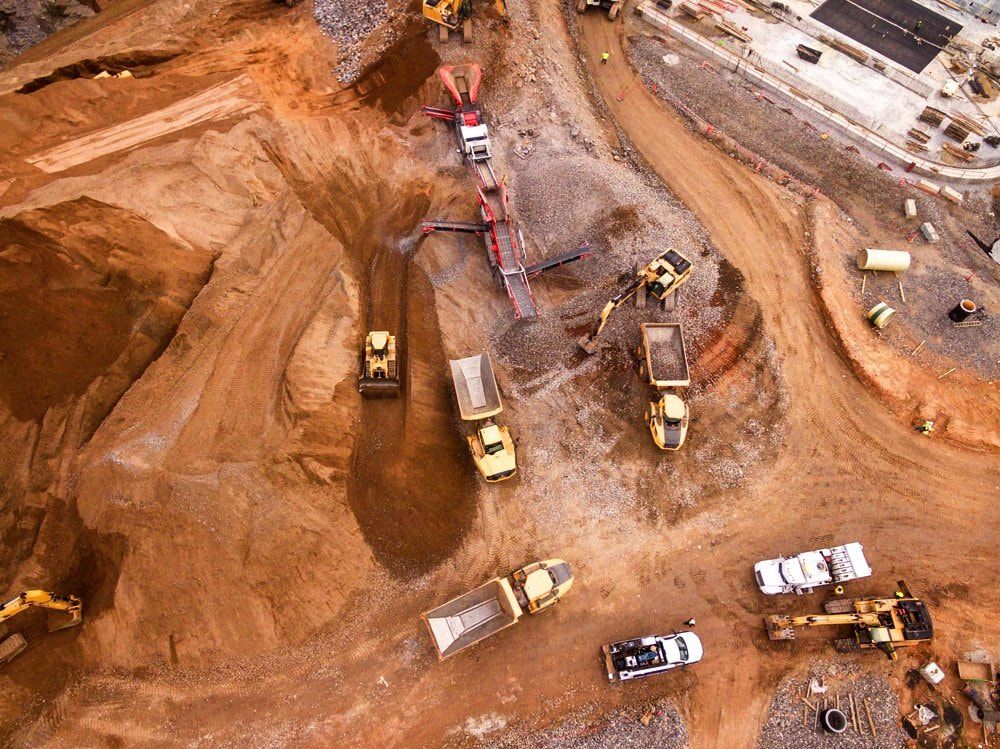
Illustrative photograph
Metals
Copper from ore to finished product, a range of traded metals, and a 50% stake in F.F Steel Factory that supplies our construction work.
What we do
Copper is at the centre of our metals business. We have built specialised expertise in producing and marketing it, and we sell to customers in many countries through operations on several continents.
Our copper work covers the whole chain, from mining and processing high-grade ore to recycling scrap, smelting and refining, and delivering finished copper to the markets that need it.
F.F Steel Factory
ownership stake
Company figure
Sebary Sara holds a 50% ownership stake in F.F Steel Factory. The factory adds steel manufacturing to our metals business and supplies our construction operations, keeping a key building material within the group.
The copper value chain
Our copper division follows the metal through every stage, from primary ore and recycled scrap to quality products ready for market.
-
Extraction and processing
We extract and process high-grade copper ore, the primary input for smelting and refining.
-
Recycling
We recycle copper scrap, returning used metal to the supply chain alongside newly mined ore.
-
Smelting and refining
Smelting and refining turn ore concentrate and scrap into pure copper, so the products we sell meet a consistent standard of quality.
-
Delivery to markets
We deliver finished copper products to customers in international markets and adjust our supply as their needs change.
Metals we trade
Alongside copper, we produce and market a range of metals, from iron and aluminium to cobalt, nickel and ferroalloys.
-
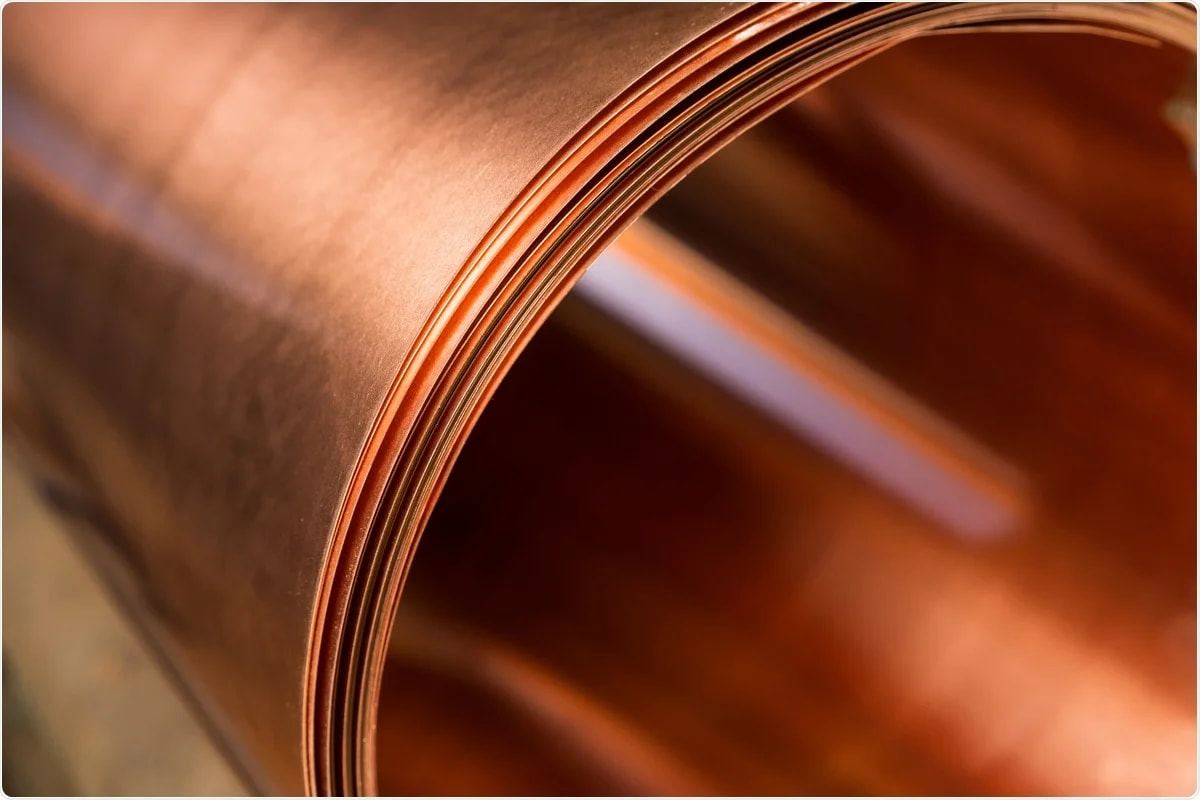
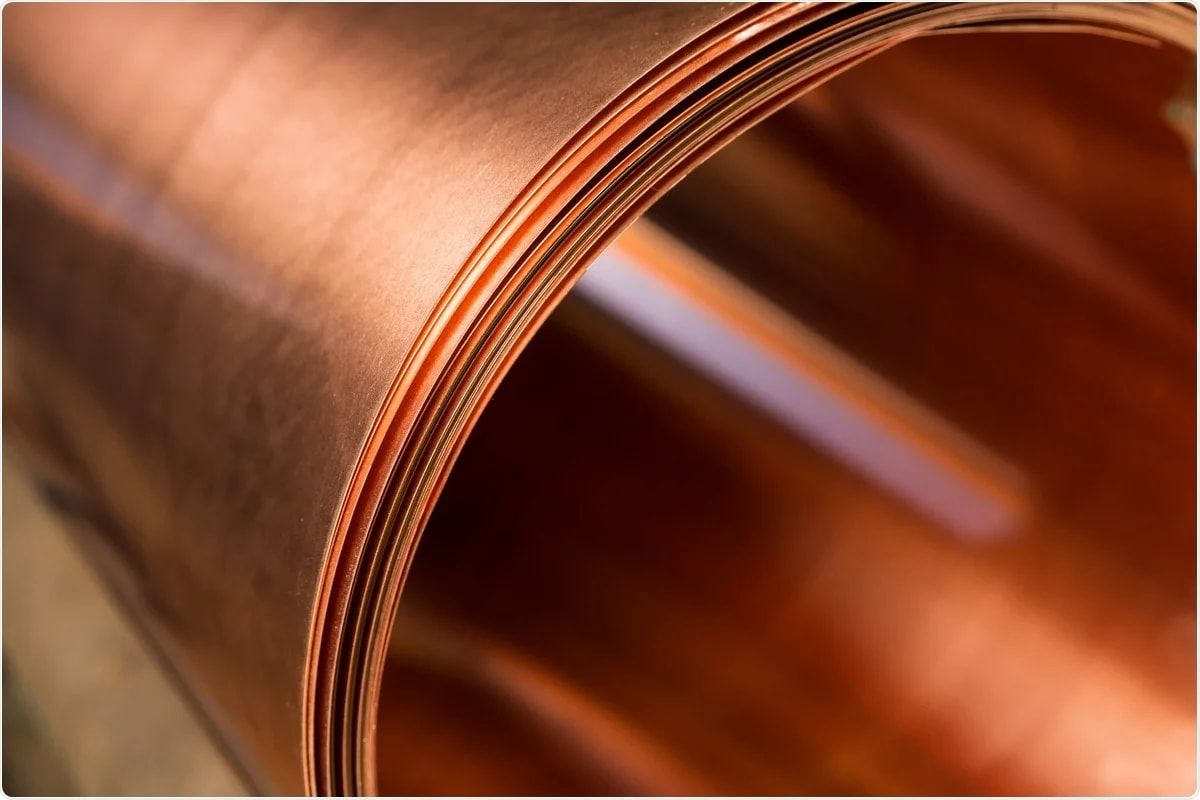
Illustrative photograph We produce and market copper across its value chain, from mined ore and recycled scrap to refined products.
Copper conducts electricity and heat better than any metal except silver. It is ductile, resists corrosion and can be recycled repeatedly without losing its properties.
Used in
- Electrical wiring and power cables
- Motors, generators and transformers
- Plumbing pipes and heat exchangers
- Alloys such as brass and bronze
-
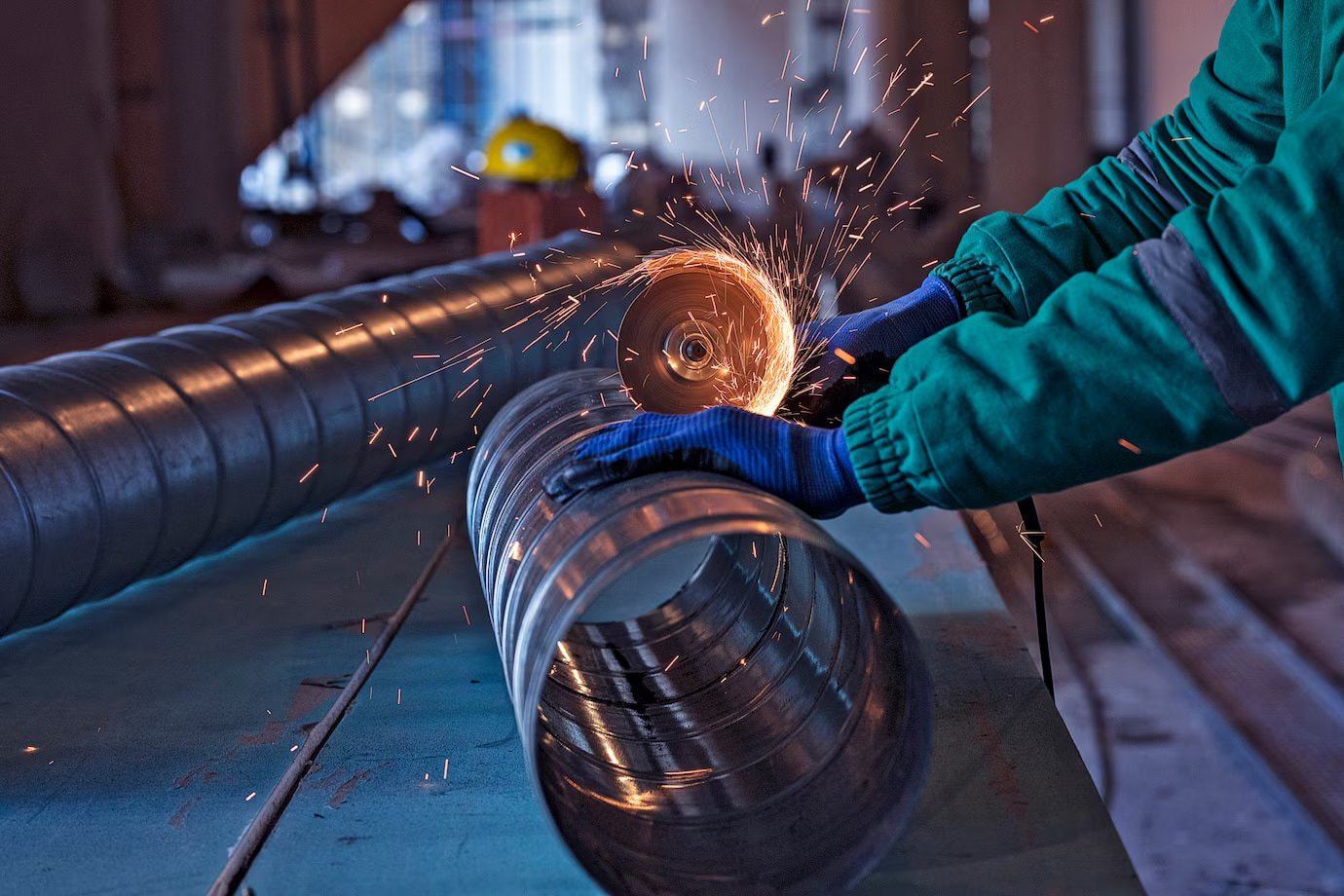
Illustrative photograph Iron is one of the metals we produce and market.
Iron is one of the most abundant elements in the Earth's crust. Most of it is made into steel, an alloy of iron and a small amount of carbon.
Used in
- Steelmaking
- Reinforcing bar and structural sections for buildings
- Machinery, vehicles and tools
- Cast iron pipes and fittings
-
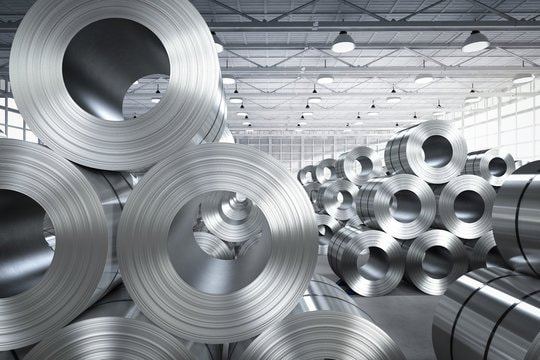
Illustrative photograph We supply aluminium and alumina, and we also market iron ore.
Aluminium is the most abundant metal in the Earth's crust. It weighs about a third as much as steel, resists corrosion and is produced from alumina refined out of bauxite ore.
Used in
- Drinks cans, foil and packaging
- Vehicles, aircraft and rail carriages
- Window frames, cladding and roofing
- Overhead power lines
-
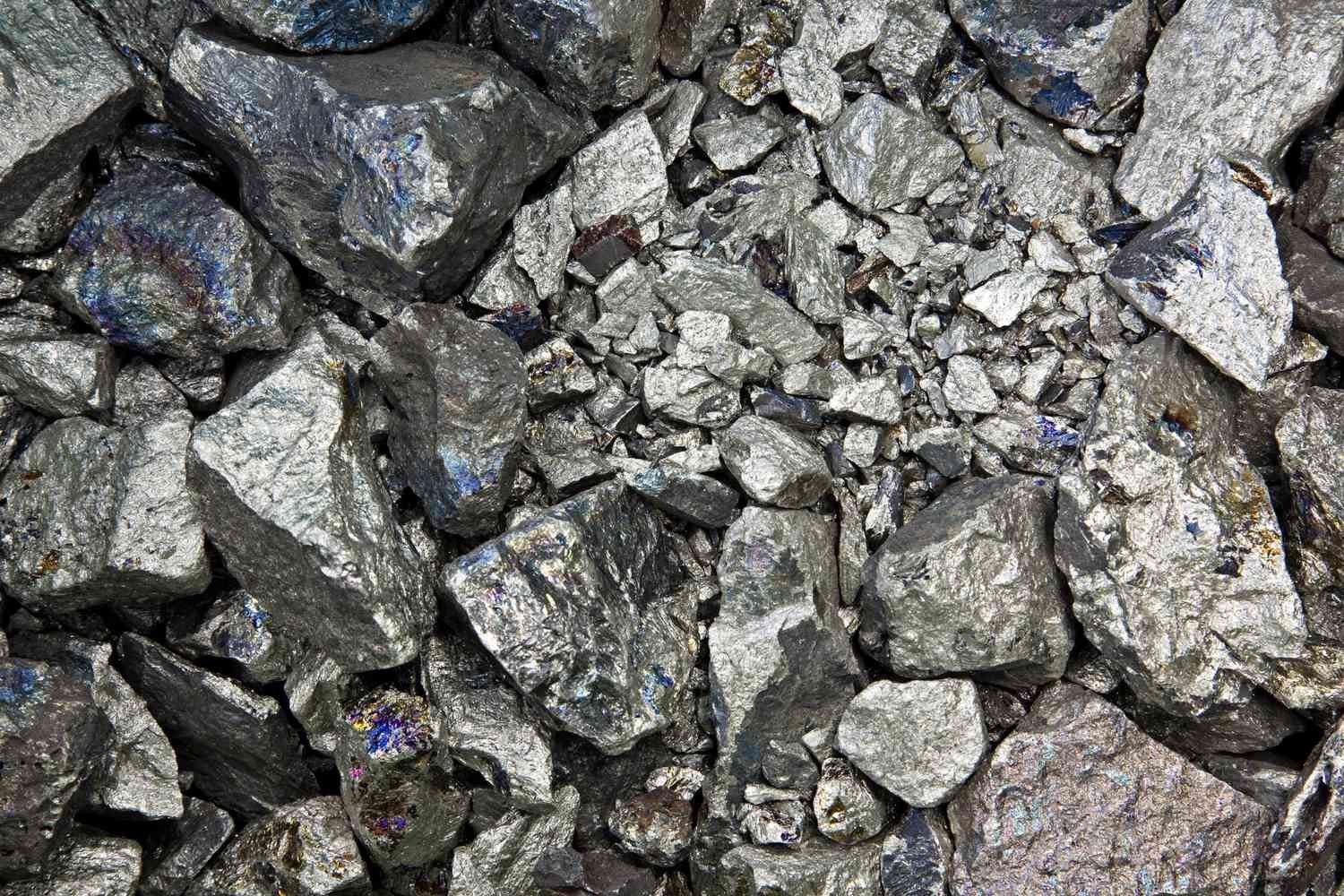
Illustrative photograph Cobalt is part of the range of metals the group trades.
Cobalt is a hard, magnetic, silver-grey metal. Most of the world's supply is recovered as a by-product of copper and nickel mining.
Used in
- Cathodes for rechargeable batteries
- Heat-resistant alloys for jet engines and gas turbines
- Permanent magnets
- Catalysts and pigments
-
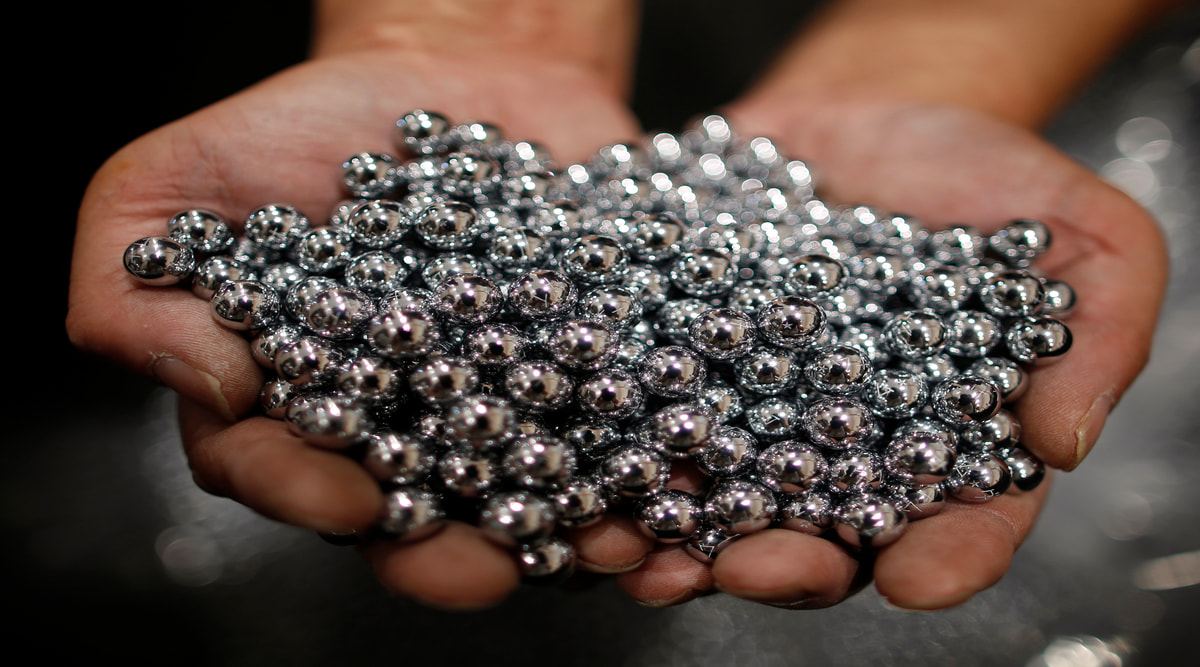
Illustrative photograph Nickel is part of the range of metals the group trades.
Nickel is a silvery metal that resists corrosion and keeps its strength at high temperatures. The largest share of nickel goes into making stainless steel.
Used in
- Stainless steel
- Battery cathodes
- Corrosion-resistant plating
- Alloys for high-temperature equipment
-
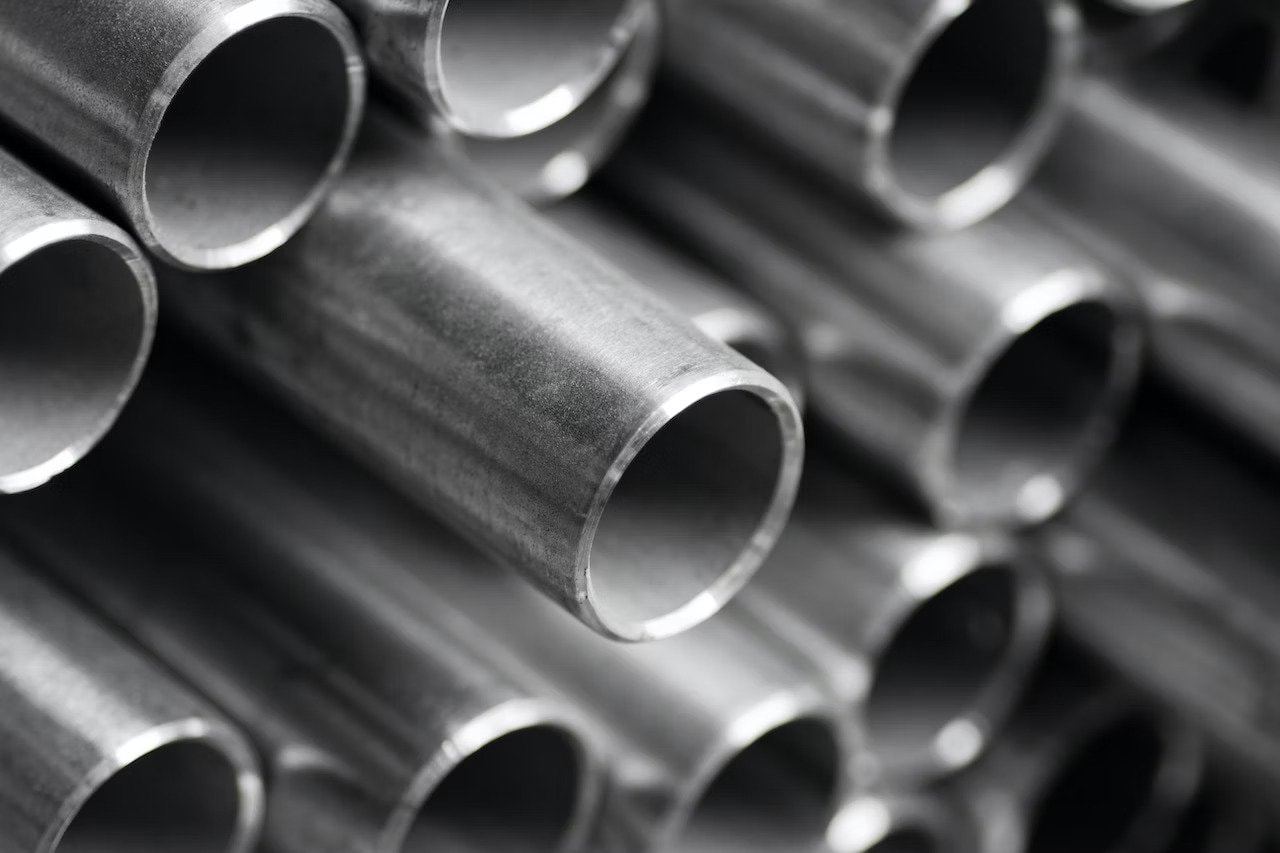
Illustrative photograph Ferroalloys are part of the range of metals the group trades.
Ferroalloys are alloys of iron with a high share of another element, such as manganese, silicon or chromium. Steelmakers add them to molten steel to set its composition and remove oxygen.
Used in
- Alloying in steelmaking
- Deoxidising molten steel
- Stainless steel production
- Iron foundries
Contact us
For partnerships, purchasing, projects, careers or press, write to info@sebarysara.com or use the contact form.